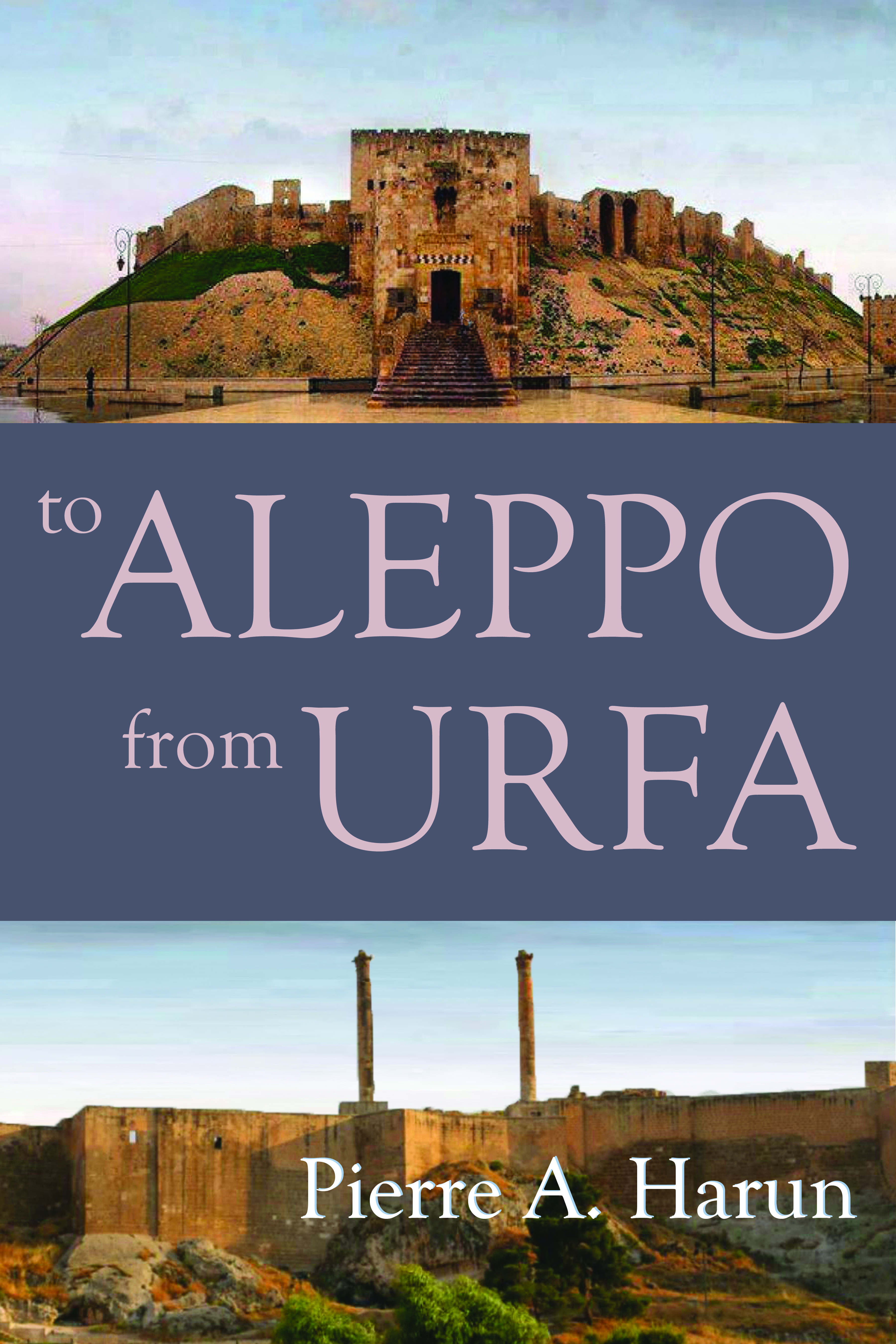

As people read the book and recall their own Urfali family information, we would like to encourage them to share their stories, anecdotes, photos, and more with the community. If you would like to contribute any details, please use the order form to send an email and a message, and we will chat and then add a post under your name or anonymously on this page.
Also, we have mistakenly omitted some details or discovered new information after printing the book. We will add those below for you to note in your copy of the book.
Omitted or New Information
In Chapter 1 Urhoy, on page 12, please add the highlighted sentence:
Girls, traditionally, did not attend school but were trained at home by their mothers and other female family members in the arts of cooking, canning, sewing, embroidery, knitting, crocheting, and assisting with various household chores. They also helped run the family business. They were not encouraged to attend school, but a few went to missionary elementary schools in Urhoy, and less continued to higher education. Sarah Atmaja was educated and became a teacher.
In Chapter 10 Community and Foreign Schools, on page 97, please add the highlighted name and correct the spelling of the strikethrough last names:
Aleppo College (at the top of the hill), grades 6 to 11, and freshman (1st year of college):
・ Boys’ School: Yousef Nameq, Yaqoub Nameq, Joseph Touma, Peter Touma, Younan Aslan, Pierre Harun, Yacub Harun, Jean Basmaji, Yaqoub Basmaji, Pierre Basmaji, George Dahji, George Shakarji, Nouri A’jami, Yacoub Sharbatdji, Sa’d (baker’s eldest son), Jean Samṣatli, George Brigho Brikho, Younan Bishar, Youḥanna Bishar, Raymond Siviri Sivri, George Jabli, Dimitry Sabbagh (Abu Bashir), Touma Balikhji, Yousef Ḥamamji, and others
・ Girls’ School: Georgette Harun, Loris Harun, Josephine Aji, Elisabeth Samṣatli, and others
Family story shared by Mounir Chakarji
Mounir Chakarji’s great-grandfather, Hanna Shakarji (1855-1918), had a few vineyards in Urfa. His wife and three daughters made candies at home that he sold at his attar store. Shakar means sugar in Turkish, and adding ‘ji’ at the end of the word made it a profession. He was known as Hanna Attar and Hanna Shakarji.
The literal meaning of attar is ‘perfume maker’ or ‘storekeeper’. But attar also refers to selling a wide range of herbs, spices, and dry goods such as burghul, flour, sugar, and salt. Bakkal is the vegetable and fruit store. Mounir thinks his great-grandfather had a spice and herb store, but he may also have sold perfumes. A family story is that neighbouring storekeepers in the souk would say their weighing scales were calibrated according to Hanna Shakarji’s scales. Spices and perfumes were expensive, so Hanna’s scales were very precise.